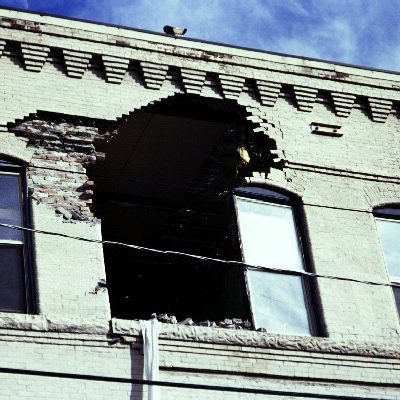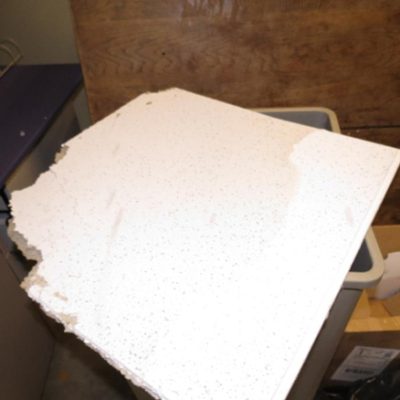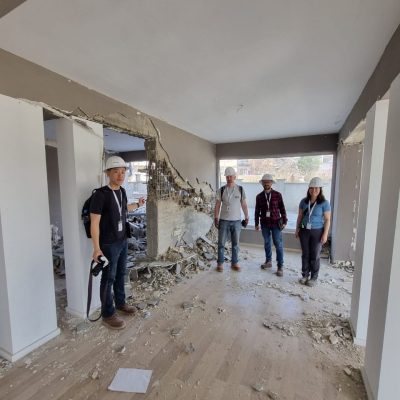


This week marks the 25th anniversary of the 2001 Nisqually Earthquake — a defining moment for the Pacific Northwest and for how communities across the region think about seismic risk.
At Degenkolb Engineers, the legacy of Nisqually continues to influence how we approach seismic resilience, preparedness, and long-term investment in the built environment. The earthquake also served as the catalyst for establishing our Seattle office, deepening our commitment to supporting communities throughout the region.
Seattle Principal, Kyle Steuck, has been reflecting on that legacy in recent presentations, including “25 Years Since the Nisqually Earthquake” with the Pacific Northwest Seismic Network and “Nisqually at 25 — the Earthquake We Survived and Preparing for the Next One” at Seattle City Hall.
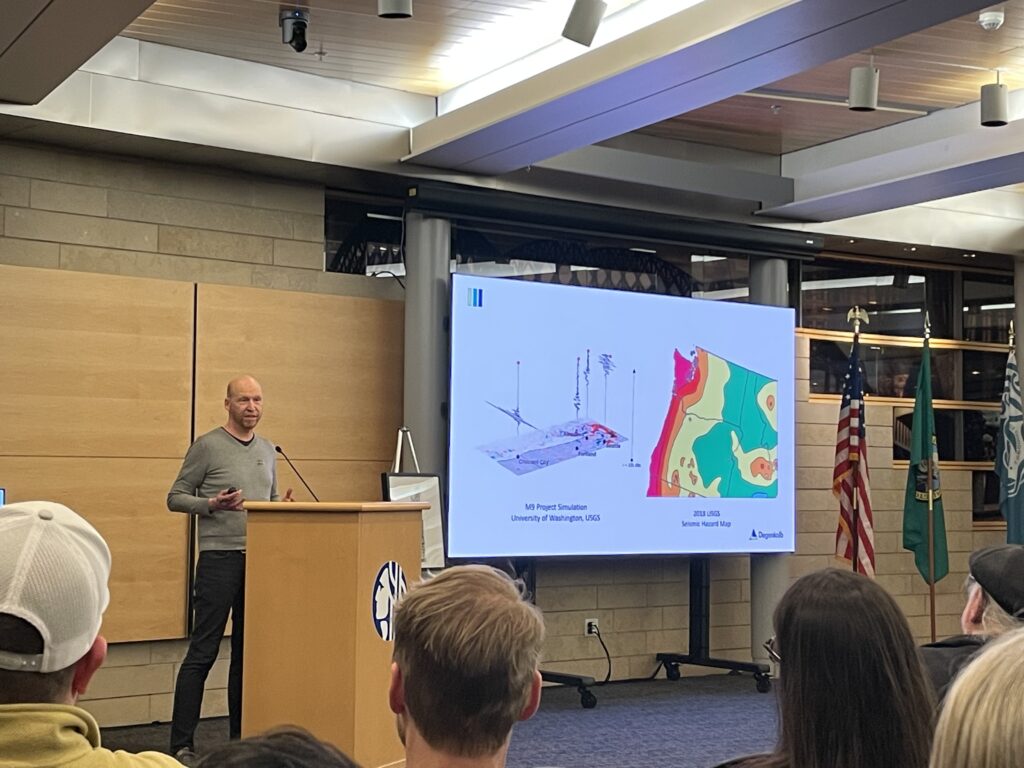
What Nisqually Taught Us — and What Comes Next
“Nisqually was a good reminder of what moderate shaking can do — but we know that stronger shaking will happen one day. We now design buildings for shaking that’s at least three to four times stronger than what was experienced in that earthquake.”
In the decades since Nisqually, seismic awareness across the Pacific Northwest has grown significantly. Major global events — including the 2004 Indian Ocean earthquake and tsunami, the 2010 Chile earthquake, and the 2011 Tōhoku earthquake and tsunami — deepened scientific understanding of subduction zone hazards and reinforced the importance of preparedness closer to home.
Today, modern building codes provide substantially higher levels of life safety than those in place in 2001. Yet risk remains.
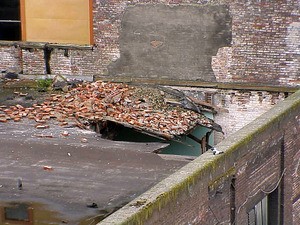
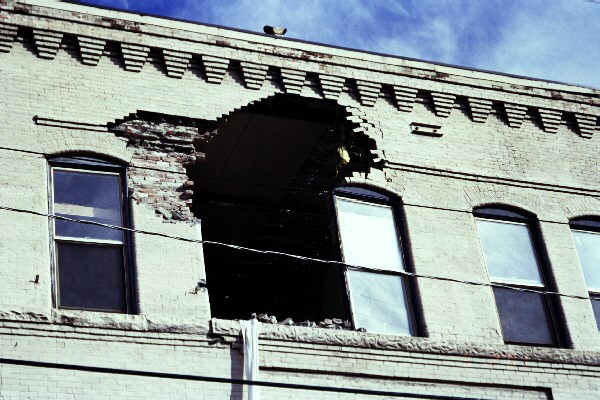
“New buildings provide very high levels of safety, but our older buildings can be vulnerable.”
Communities across Washington have made meaningful progress identifying unreinforced masonry (URM) buildings and developing technical standards to address them. However, retrofit implementation continues to lag behind efforts seen in other states and regions. Ongoing technical and policy advancements aim to ensure buildings are not only safe during earthquakes but also capable of maintaining at least basic functionality afterward — a critical component of community recovery.
Progress Through Policy and Investment
Planning efforts in the early 2010s helped illuminate critical policy gaps and investment needs, culminating in the 2012 Resilient Washington State initiative. One of the program’s most significant successes has been Washington’s school seismic safety program, which has identified vulnerable school buildings and funded their retrofit or replacement — protecting students, educators, and communities across the state.
Seattle’s waterfront transformation offers another visible example of resilience in action. The removal of the Alaskan Way Viaduct and construction of the new Seattle Seawall have not only revitalized the waterfront but also significantly improved public safety and seismic performance along a vital urban corridor.
A Continuing Commitment
“Overall, we’ve made progress and are better prepared for a repeat of Nisqually. There’s additional investment needed to be prepared for the larger earthquakes that we know will happen one day.”
Twenty-five years later, Nisqually remains both a milestone and a motivator. It demonstrated the impacts of moderate shaking — and underscored the importance of preparing for the larger earthquakes scientists know will occur in the future.
Resilience is not a one-time achievement. It is an ongoing commitment requiring collaboration, investment, and informed decision-making over time. As we reflect on the lessons of Nisqually, we remain focused on helping communities across the Pacific Northwest build safer, stronger, and more resilient futures.